The Complete Tarantino, Minus the Tenth Film
Why his films sound like nobody else's, every feature, script, cameo and book in one place, and where each film streams in the US.
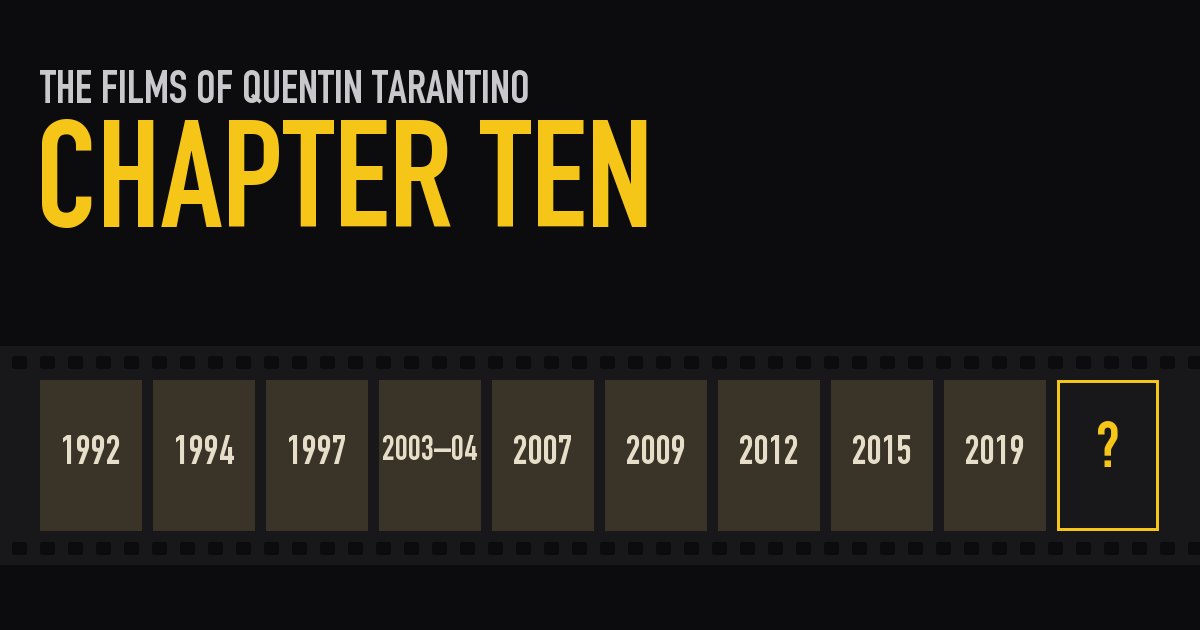
Quentin Tarantino has directed nine feature films. Ten, if you count both halves of Kill Bill, which he doesn't. To him it is one film that happened to come out twice, which is the kind of math you get to do when you wrote it.
He has also said, for as long as anyone can remember, that he will stop at ten. The tenth has not arrived. In the meantime he has written a film for somebody else to direct: The Further Mis-Adventures of Cliff Booth, with David Fincher behind the camera and Brad Pitt back as Cliff, in IMAX from November 25, 2026 and on Netflix from December 23. Retirement, Tarantino style, looks a lot like working.
What makes a Tarantino film a Tarantino film
Everybody talks. At length. About burgers.
The scenes people quote are rarely the shootouts. They are the conversations before them. Reservoir Dogs opens with a table of men in black suits arguing about a Madonna song and whether tipping is a moral obligation. Pulp Fiction's hitmen spend the drive to a job on what a Quarter Pounder is called in France. Inglourious Basterds opens with a farmhouse interrogation so polite you could serve tea at it, and it is the most frightening scene in the film.
The talk is never filler. It sets the rhythm, and it is where the threat lives. He has a writing credit on every feature he has directed, which is why nobody else's dialogue sounds quite like his.
Time is a suggestion
Reservoir Dogs is a heist film that skips the heist. Pulp Fiction kills off a main character halfway through and then, because the stories are shuffled, lets him stroll out of a diner in the final scene as if nothing had happened. For him, nothing has. Jackie Brown shows one handover of money three times, from three points of view. Kill Bill takes its revenge out of order, and The Hateful Eight stops mid-story, rewinds to that morning and shows you what went on in the room while you weren't looking.
Chapters, like a novel with more blood
Pulp Fiction already puts a title card in front of each story. Kill Bill, Inglourious Basterds and The Hateful Eight go all the way, with numbered chapters: five in Basterds, six in The Hateful Eight. It lets him jump across years and continents without a line of explanation, which for a man this fond of explaining shows real restraint.
A video store with a camera
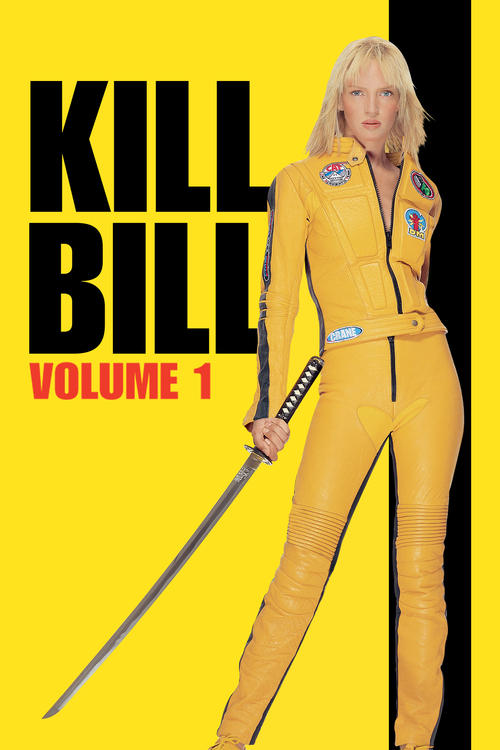
Before any of this he worked at Video Archives, a rental store in Manhattan Beach, and it shows. His films are built out of other films, and he has never pretended otherwise. Django Unchained takes its name from Sergio Corbucci's 1966 western and hands its original star, Franco Nero, a cameo. Kill Bill raids Hong Kong and Japanese action cinema, right down to the yellow tracksuit from Bruce Lee's Game of Death. Jackie Brown is built around Pam Grier, star of the 1970s films it tips its hat to, and Death Proof was made as one half of a grindhouse double bill.
A record collection instead of a composer
Most of his soundtracks are other people's songs, often ones you had forgotten you knew. Stealers Wheel plays over the ear scene in Reservoir Dogs, and Stuck in the Middle with You has never quite recovered. Dick Dale's surf guitar tears open the Pulp Fiction titles. The exception is The Hateful Eight, which got an original score from Ennio Morricone. It won Morricone his first competitive Oscar. Late, but he got there.
History, with corrections
Three of the later films rewrite history on purpose. Inglourious Basterds ends the Second World War in a Paris cinema, ahead of schedule. Django Unchained is a revenge fantasy set in the slave-owning South. Once Upon a Time... in Hollywood strolls toward the night of the Manson murders in 1969 and then politely declines to let it go the way it went. The violence is the fantasy: what should have happened, played loud.
The usual suspects
He casts like a man who keeps a phone book of old friends. Samuel L. Jackson is in six of the films: Jules in Pulp Fiction, Ordell in Jackie Brown, a church organist in Kill Bill: Vol. 2, Stephen in Django Unchained, Major Warren in The Hateful Eight, and the narrator's voice in Inglourious Basterds. Uma Thurman, Michael Madsen, Tim Roth, Kurt Russell and Brad Pitt keep coming back. Christoph Waltz won the supporting-actor Oscar twice in his films, and Pitt won it for Cliff Booth.
The director casts himself as well. Mr. Brown in Reservoir Dogs. Jimmie in Pulp Fiction, the man with the coffee and the wife due home. Warren the bartender in Death Proof. And a mining company employee in Django Unchained, who does not survive his scene. Nobody has asked him to stop. Nobody has had the chance.
The small print
Then there are the details fans collect. Fictional brands turn up from film to film, Red Apple cigarettes and Big Kahuna Burger among them, as if the films shared a main street. The trunk shot, looking up from the back of a car at the people about to put something in it, is close to a signature. And yes, the bare feet. Everybody has noticed. He has not stopped.
The films, in order
Where each one streams in the US right now, per TMDB's watch data. Outside a MovieSphere+ add-on, Kill Bill, Jackie Brown, Death Proof and The Hateful Eight are rent-or-buy, so plan those as a rental weekend, not another monthly bill.
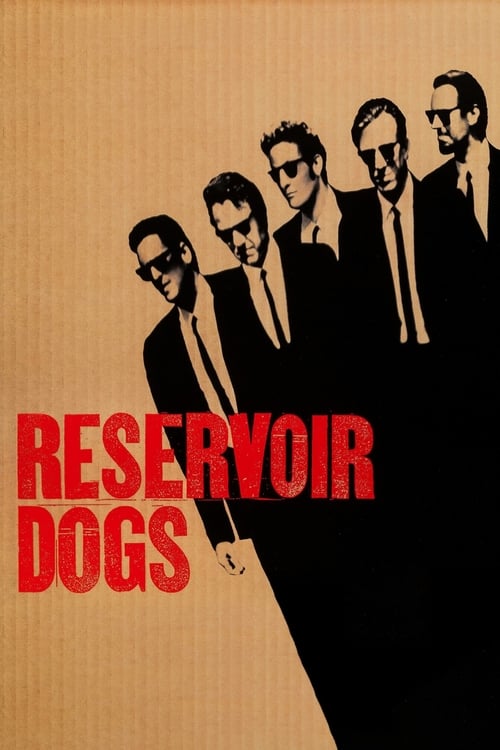

- Reservoir Dogs
- 1992. Black suits, one warehouse, no heist. On Prime Video.
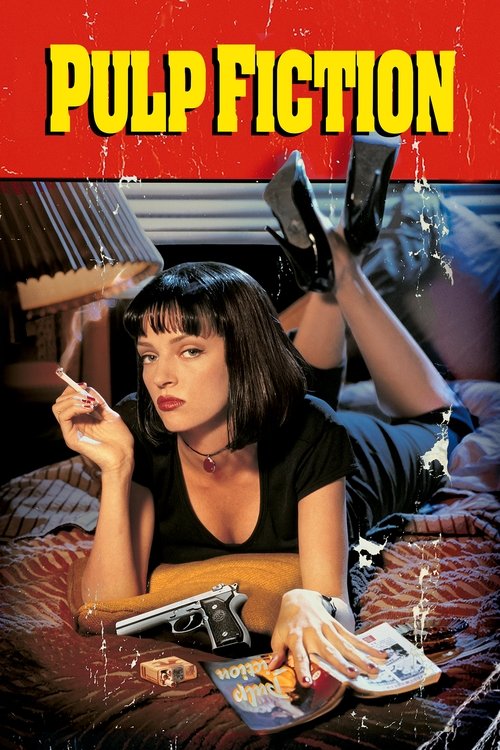
- Pulp Fiction
- 1994. Palme d'Or, screenplay Oscar and a dance contest. On Prime Video and Paramount+.
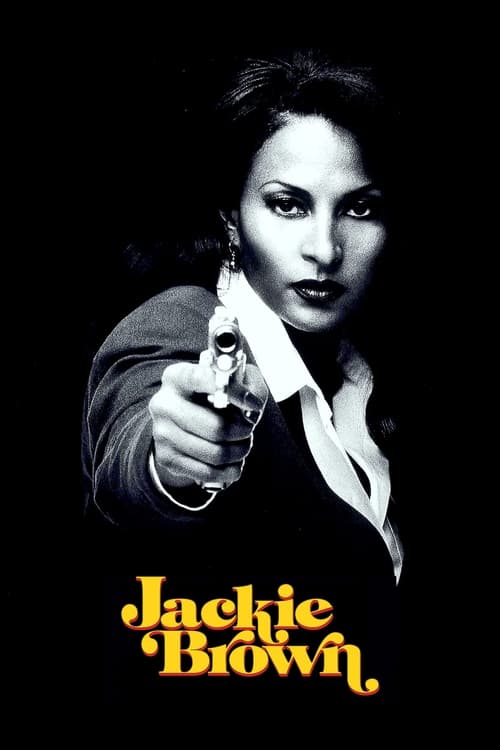
- Jackie Brown
- 1997. His only adaptation, from Elmore Leonard's Rum Punch, and his most grown-up film. Mostly rent or buy.
- Kill Bill: Vol. 1
- 2003. The Bride starts on her list, with a showdown in a snowy Tokyo garden. Mostly rent or buy.
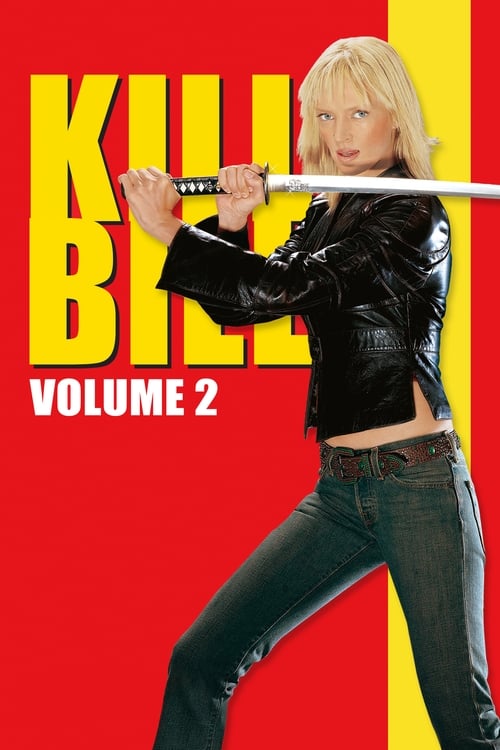
- Kill Bill: Vol. 2
- 2004. Volume two swaps samurai for spaghetti westerns and talks a lot more. Mostly rent or buy.
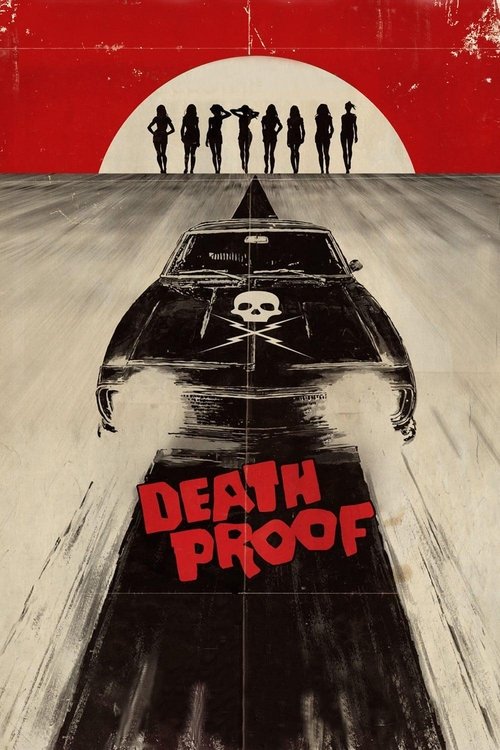
- Death Proof
- 2007. His half of Grindhouse: a stuntman, a car and a very bad idea. Mostly rent or buy.
- Inglourious Basterds
- 2009. Five chapters, one cinema, and the war ends early. On Hulu.
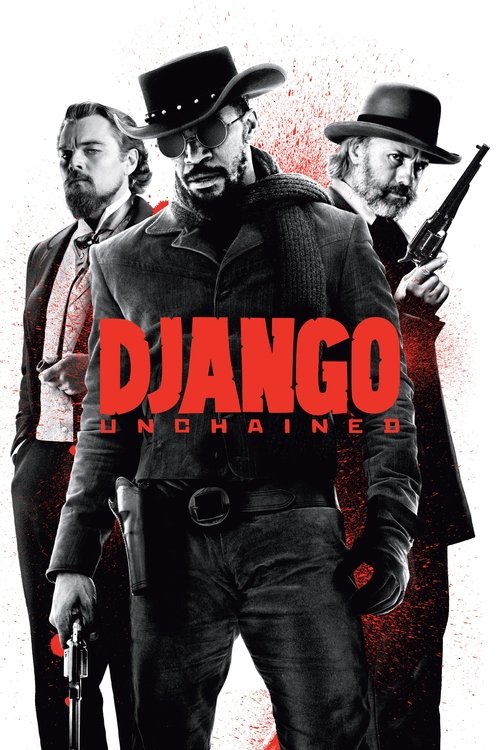
- Django Unchained
- 2012. His biggest box-office hit. Free with ads on Tubi.
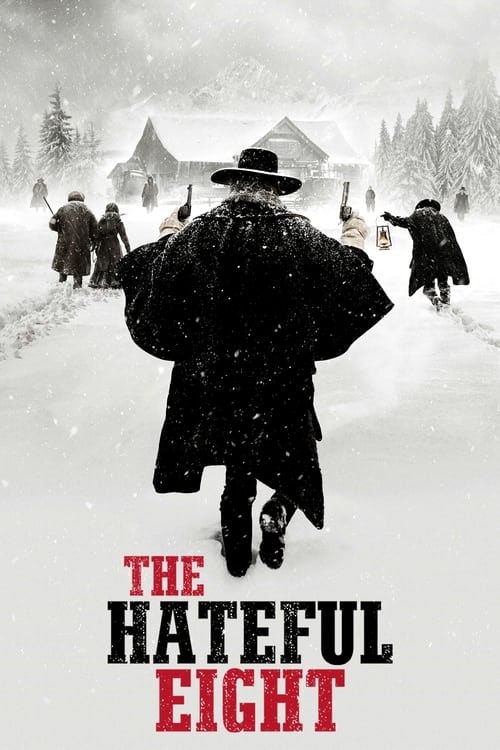
- The Hateful Eight
- 2015. Eight strangers, one blizzard, shot on 70mm, zero trust. Mostly rent or buy.
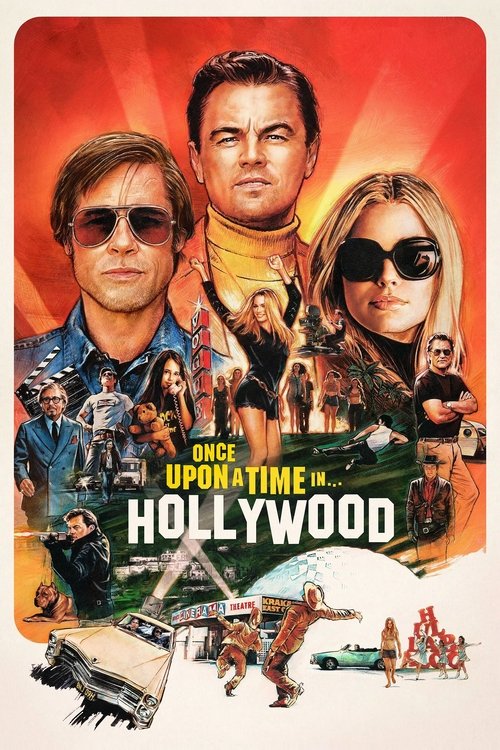
- Once Upon a Time... in Hollywood
- 2019. Los Angeles, 1969: a fading actor, his stunt double and a dog who steals the ending. Via FX, or rent or buy.
Kill Bill also exists as the one film he always meant it to be. Kill Bill: The Whole Bloody Affair joins both volumes into a cut of more than four hours, and got its first wide cinema release on December 5, 2025, along with Yuki's Revenge, an animated chapter he wrote for the original and never shot.
Everything else he has made
Scripts for other directors
- True Romance (1993), directed by Tony Scott from his script. On Netflix in the US right now.
- Natural Born Killers (1994), directed by Oliver Stone from his story, which Stone rewrote heavily. Tarantino has kept his distance.
- From Dusk Till Dawn (1996), directed by Robert Rodriguez from his script, with Tarantino playing Richie Gecko, the brother you would not leave alone with anyone.
- From Dusk Till Dawn: The Series (2014), a TV series built on that script.
- The Further Mis-Adventures of Cliff Booth (2026), directed by David Fincher from his script.
Shared projects and guest spots
- Four Rooms (1995), an anthology: he wrote and directed the last segment, The Man from Hollywood, and stars in it.
- Sin City (2005): credited as special guest director for one scene.
- Grindhouse (2007), the double bill with Robert Rodriguez's Planet Terror. Death Proof is his half.
Television
- ER, the episode Motherhood (1995), as director.
- Alias (2002 and 2004), as the villain McKenas Cole.
- CSI: Crime Scene Investigation, the two-part Grave Danger (2005), as director and story writer.
- The Hateful Eight: Extended Version (2019), the film re-cut into four episodes for Netflix.
His name above somebody else's title
He lends his name as producer or presenter to films he likes, and his taste has a type. The type is loud: Killing Zoe (1993), the From Dusk Till Dawn sequels (1999 and 2000), Zhang Yimou's Hero (2002) for its American release, the Tony Jaa film The Protector (2005), Eli Roth's Hostel (2006) and Hostel: Part II (2007), Hell Ride (2008) and The Man with the Iron Fists (2012).
Acting for other people
Before he was famous he played an Elvis impersonator in The Golden Girls, a line on a CV that deserves more attention than it gets. Since then: Desperado (1995), Destiny Turns on the Radio (1995), Girl 6 (1996), Little Nicky (2000), Takashi Miike's Sukiyaki Western Django (2007) and Planet Terror (2007).
Books, a podcast, a play and, somehow, Fortnite
He has written two books: a novel version of Once Upon a Time in Hollywood (2021) and Cinema Speculation (2022), essays on the American films he grew up with in the 1970s. With Roger Avary, his old colleague from the video store, he hosts The Video Archives Podcast. Yuki's Revenge was also released inside Fortnite, made with Epic Games, with Tarantino voicing Bill. And his first stage play, The Popinjay Cavalier, is due in the West End in spring 2027 with Sacha Baron Cohen in the title role.
The tenth film
The ten-film limit is his own rule, on the theory that directors get worse late in their careers and he would rather leave the party early than be the last one talking. Which, for him, would be a first. In April 2024 he dropped The Movie Critic, the project announced as number ten, and nothing has been announced to replace it.
That leaves the Cliff Booth film as the nearest thing to a new Tarantino story: his characters, his words, somebody else's film. Loophole or not, he hasn't said.
Where to start
New to him? Pulp Fiction and Inglourious Basterds show the range. One is talk and shuffled time, the other chapters and rewritten history, and both are on a major service in the US right now. Already a fan? The gaps are likely to be Jackie Brown and Death Proof, which are also the two that cost a rental. Add them to your Binge Boss library and the planner works out which month to take which service, so you are not paying a month for one Sunday film.
Sources
- Quentin Tarantino — director and writer, credits on TMDB checked 24 September 2026
- Reservoir Dogs (1992) — US streaming: Prime Video checked 24 September 2026
- Pulp Fiction (1994) — US streaming: Prime Video, Paramount+ checked 24 September 2026
- Jackie Brown (1997) — US streaming: MovieSphere+ channel on Prime Video; otherwise rent or buy checked 24 September 2026
- Kill Bill: Vol. 2 (2004) — US streaming: MovieSphere+ channel, YouTube TV; otherwise rent or buy checked 24 September 2026
- Death Proof (2007) — US streaming: MovieSphere+ channel; otherwise rent or buy checked 24 September 2026
- Inglourious Basterds (2009) — US streaming: Hulu checked 24 September 2026
- Django Unchained (2012) — US streaming: Tubi (free with ads), AMC+, Starz channel checked 24 September 2026
- The Hateful Eight (2015) — US streaming: MovieSphere+ channel; otherwise rent or buy checked 24 September 2026
- Once Upon a Time... in Hollywood (2019) — US streaming: FX via YouTube TV or fubo; otherwise rent or buy checked 24 September 2026
- True Romance (1993) — US streaming: Netflix checked 24 September 2026
- The Further Mis-Adventures of Cliff Booth — IMAX from 2026-11-25, on Netflix from 2026-12-23 checked 24 September 2026
- The Popinjay Cavalier — Tarantino's first stage play, West End, spring 2027, starring Sacha Baron Cohen checked 24 September 2026
- The Movie Critic — dropped as Tarantino's tenth film in April 2024 checked 24 September 2026
- Kill Bill: The Whole Bloody Affair — in cinemas from 2025-12-05, with the animated Yuki's Revenge chapter checked 24 September 2026
Before you subscribe
Title data comes from TMDB. Streaming prices and availability change often — check with the provider for current details.
Plan your subscriptions instead of guessing
Binge Boss tracks what you watch and works out which services you need this month.
Open Binge Boss