Iñárritu's Method: Why Does Suffering Look So Good?
Dive into the recurring themes and stylistic choices that define Alejandro G. Iñárritu's filmography, from fractured narratives to immersive cinematography.
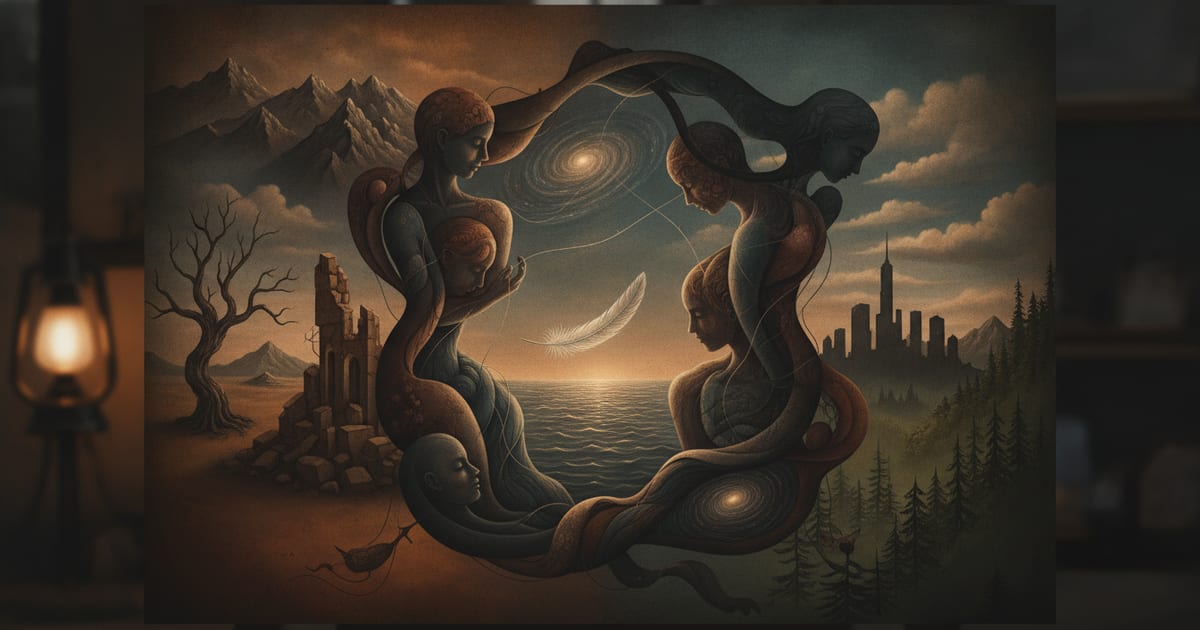
Alejandro G. Iñárritu has carved a distinctive path through modern cinema, often leaving audiences with a sense of profound, sometimes uncomfortable, introspection. His films are rarely simple, linear affairs. Instead, they often present a mosaic of human experience, demanding attention and rewarding it with a unique vision of fate and consequence.
Interconnected Lives, Fractured Narratives
From the very beginning, Iñárritu showed a fascination with how lives intersect, sometimes violently, sometimes subtly. His debut feature, Amores Perros (2000), introduced a non-linear structure that would become a hallmark, weaving three seemingly disparate stories together through a single, devastating car crash. It's a film about the brutal honesty of love and loss, seen through the lens of a fractured narrative. He established early that the journey might be more significant than the destination.
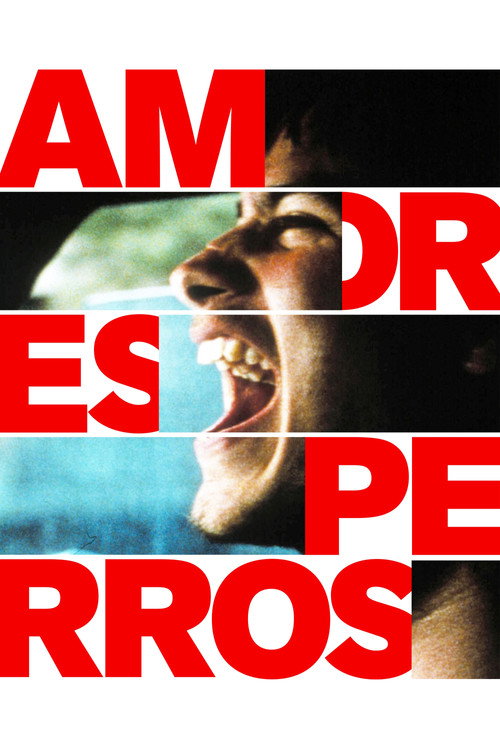
- Amores Perros
- A powerful debut that set the stage for Iñárritu's signature style of interwoven stories.
He continued this exploration with 21 Grams (2003), a film that takes its title from the supposed weight of the soul, or perhaps just the effect of a profound loss. Three strangers — a critically ill mathematician, a grieving mother, and a born-again ex-con — are linked by a tragic accident, their stories told out of chronological order. It's an exercise in narrative puzzle-solving, where the pieces only fully connect in hindsight. This structure forces the audience to consider how every choice ripples outward, affecting others in ways that are not immediately apparent.
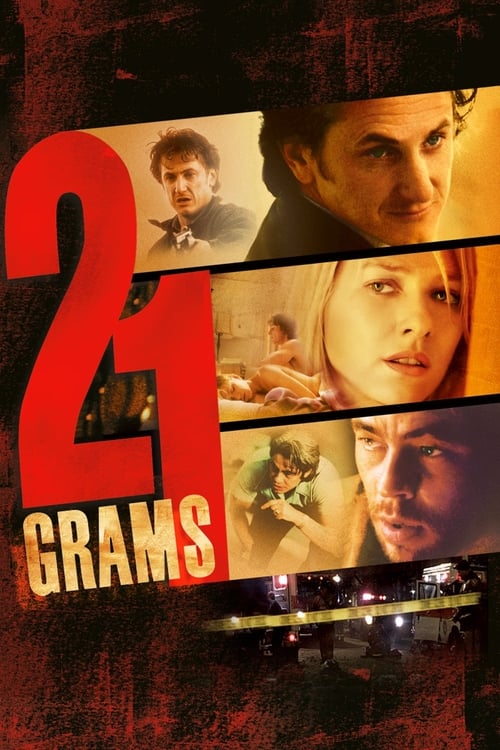
- 21 Grams
- Further cemented Iñárritu's use of non-linear storytelling to explore themes of fate and redemption.
The capstone of this unofficial trilogy was Babel (2006). This film expanded the scope, connecting four different stories across three continents and four languages. A single rifle shot in Morocco sets off a chain of events affecting a Japanese teenager, a Mexican nanny, and an American couple on vacation. It's a grand statement on miscommunication and the universal struggles of humanity, suggesting that distance does not diminish our shared vulnerability. Even in shorter forms, like his segment in September 11 (2002) and To Each His Own Cinema (2007), he found ways to explore brief, impactful moments of human connection or isolation.
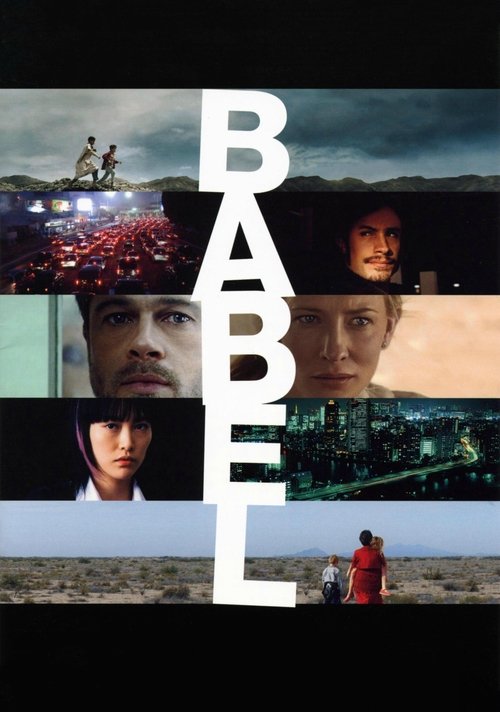
- Babel
- An ambitious global narrative that highlights the interconnectedness of human experience.
The Relentless Pursuit of Experience
Iñárritu's filmmaking evolved to embrace an even more immersive, almost visceral, style. With Birdman or (The Unexpected Virtue of Ignorance) (2014), he experimented with the illusion of a single, continuous take, drawing the audience into the chaotic mind of a washed-up actor trying to reclaim his artistic credibility. The camera is a character, following every anxious step and whispered doubt. It’s a bold choice that mirrors the character’s desperate, unceasing internal monologue, making the audience feel every beat of his frantic comeback attempt.
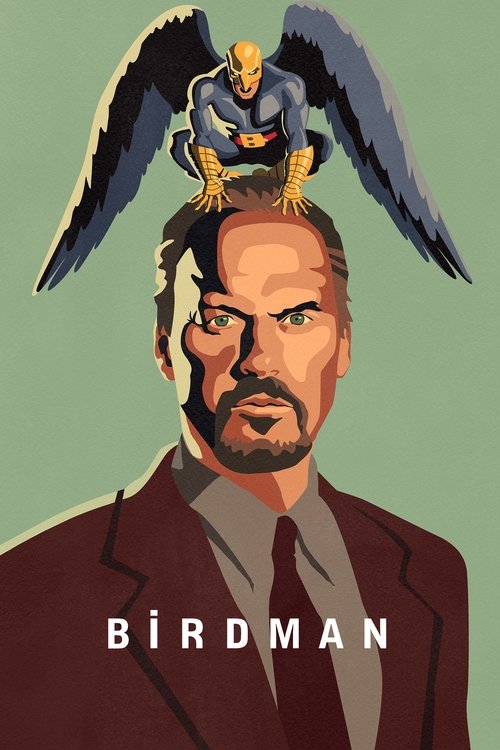
- Birdman or (The Unexpected Virtue of Ignorance)
- A technical marvel that immerses the audience in a character's existential crisis through continuous takes.
This immersive style reached a new peak with The Revenant (2015). Here, the camera doesn't just follow; it endures alongside its protagonist, Hugh Glass, as he battles nature and betrayal in the unforgiving American wilderness. The long takes, often in natural light, create a sense of raw, unmediated reality, making the audience shiver in the cold and wince at every injury. It's a testament to the idea that suffering, when filmed just right, can be incredibly compelling. The film is a masterclass in survival, both physical and spiritual.
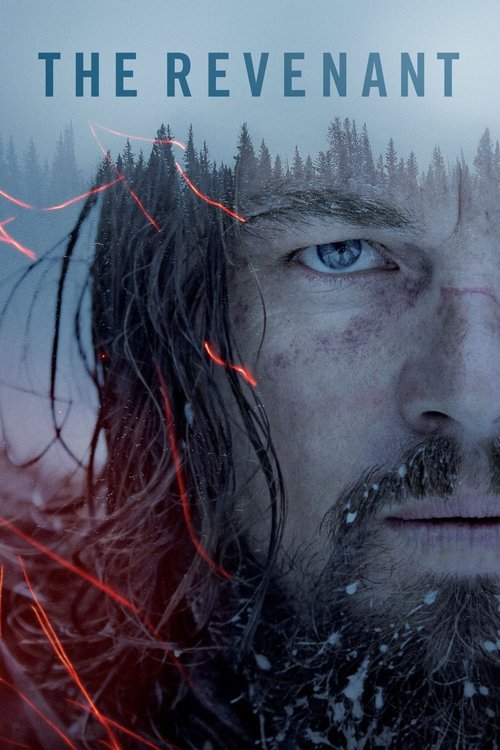
- The Revenant
- An epic tale of survival, notable for its brutal realism and stunning, immersive cinematography.
Introspection and the Search for Meaning
Beyond the structural and stylistic choices, Iñárritu consistently returns to characters grappling with profound personal crises and the search for meaning in a difficult world. Biutiful (2010) is a stark, intimate portrait of a single father in Barcelona, facing a terminal illness while trying to secure a future for his children. It's a film steeped in melancholy, yet it finds moments of grace in the everyday struggles of its protagonist. The film is a quiet meditation on mortality and legacy, without the narrative fireworks of his earlier works.
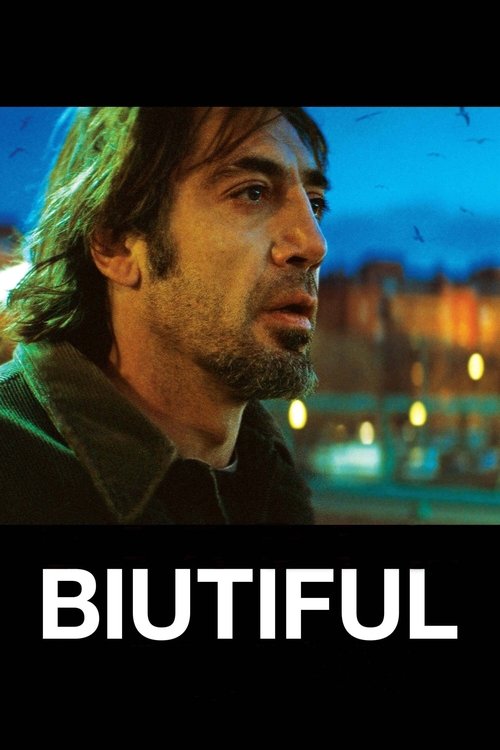
- Biutiful
- A poignant and intimate character study focusing on a man confronting his mortality and legacy.
His most recent feature, BARDO, False Chronicle of a Handful of Truths (2022), is perhaps his most personal and introspective work to date. It follows a Mexican journalist and documentary filmmaker living in Los Angeles who returns to his home country and embarks on an existential journey. The film is a dreamlike, surreal exploration of identity, memory, and success, reflecting on the director's own experiences. It's a film that asks big questions about belonging and the stories we tell ourselves, often with visually dazzling answers. BARDO, False Chronicle of a Handful of Truths is on Netflix.
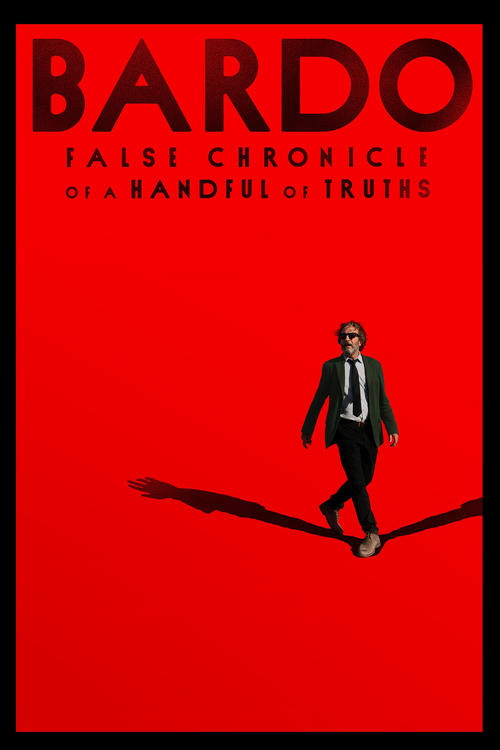
- BARDO, False Chronicle of a Handful of Truths
- A surreal, deeply personal reflection on identity, memory, and the immigrant experience, streaming on Netflix.
The Iñárritu Touch: A Summation
Across his entire filmography, from the raw energy of Amores Perros (2000) to the introspective sprawl of BARDO, False Chronicle of a Handful of Truths (2022), Alejandro G. Iñárritu's signature remains clear. He is a director unafraid to challenge conventional storytelling, opting for narratives that reflect the messy, often non-linear nature of life itself. His films, including September 11 (2002), 21 Grams (2003), Babel (2006), To Each His Own Cinema (2007), Biutiful (2010), Birdman or (The Unexpected Virtue of Ignorance) (2014), and The Revenant (2015), consistently tackle themes of mortality, redemption, and the unexpected connections that bind us.
His work is characterized by a commitment to bold visual storytelling, whether through intricate narrative structures or breathtaking cinematography that places the viewer directly into the experience. The result is a body of work that is often demanding but always rewarding, leaving a lasting impression long after the credits roll. If you're looking for cinema that makes you feel and think, you've found your director. Keep an eye on Binge Boss for updates on where to find his next project.
Sources
- Alejandro G. Iñárritu — director, 6 notable credits checked 2 October 2026
- Amores Perros (2000) — directed by Alejandro G. Iñárritu checked 2 October 2026
- September 11 (2002) — directed by Alejandro G. Iñárritu checked 2 October 2026
- 21 Grams (2003) — directed by Alejandro G. Iñárritu checked 2 October 2026
- Babel (2006) — directed by Alejandro G. Iñárritu checked 2 October 2026
- To Each His Own Cinema (2007) — directed by Alejandro G. Iñárritu checked 2 October 2026
- Biutiful (2010) — directed by Alejandro G. Iñárritu checked 2 October 2026
- Birdman or (The Unexpected Virtue of Ignorance) (2014) — directed by Alejandro G. Iñárritu checked 2 October 2026
- The Revenant (2015) — directed by Alejandro G. Iñárritu checked 2 October 2026
- BARDO, False Chronicle of a Handful of Truths (2022) — directed by Alejandro G. Iñárritu checked 2 October 2026
Before you subscribe
Title data comes from TMDB. Streaming prices and availability change often — check with the provider for current details.
Plan your subscriptions instead of guessing
Binge Boss tracks what you watch and works out which services you need this month.
Open Binge Boss