The Price Tag Left the Ads Behind
Ad-supported streaming was supposed to save money. Instead, it became the floor.

The Baseline Keeps Moving Up
Streaming services introduced cheaper tiers with ads as an alternative for budget-conscious viewers who wanted a break from escalating subscription bills. That discount has a predictable way of evaporating once it establishes itself as the operational floor. Netflix in the United States sits at $19.99/month (USD). Max in the United States asks for $18.49/month (USD). Disney+ in the United States reaches $21.49/month (USD). Hulu in the United States matches that at $21.49/month (USD). Peacock in the United States demands $16.99/month (USD). These figures leave little room for anyone looking for a genuine bargain basement. Companies rarely lower prices after establishing a new ceiling, especially once shareholders acquire a taste for recurring revenue streams.

- Black Doves
- Black Doves (2024) — on Netflix brings high-end production values directly into a commercial-interrupted ecosystem.
Subscribers sign up expecting a temporary compromise on commercials in exchange for lower monthly statements. They end up paying traditional cable rates while still watching commercial breaks that arrive with mechanical precision. Black Doves (2024) — on Netflix arrives with all the cinematic polish of a prestige espionage drama, only to be punctuated by ad breaks designed to test a viewer's patience. The industry discovered a remarkable truth about consumer psychology: people will pay near-premium prices and still tolerate commercial interruptions without staging a mass revolt. That is an enviable business model where the customer provides both the monthly subscription fee and the captive audience for advertisers.
Cheaper Options That Aren't So Cheap
Other platforms hover around slightly lower brackets, though they still demand steady commitments that accumulate across a household budget. Prime Video in the United States costs $13.98/month (USD). Apple TV+ in the United States comes in at $14.99/month (USD). Paramount+ in the United States charges $13.99/month (USD). Crunchyroll in the United States targets a specific animation audience at $9.99/month (USD). These numbers add up quickly when households stack multiple services together to cover different genres or exclusive franchises. A budget plan ceases to be a budget plan when you need four separate subscriptions to replace what used to be a single cable package.
The tiered pricing strategy relies entirely on choice architecture. By placing a heavily advertised tier at a slightly lower price point, platforms make the ad-free option look unreasonably expensive by comparison. Consumers pick the middle ground, assuming they have outsmarted the system, only to discover that the middle ground now includes commercial breaks that rival broadcast television. The discount was never meant to be permanent relief; it was an onboarding mechanism designed to drag reluctant subscribers across the threshold.
Catalogues Under Commercial Pressure
When streaming platforms acquire extensive filmographies, the tier structure dictates how those older works are experienced by modern audiences. Harsh Times (2005) — directed by David Ayer delivers a grim, unvarnished look at post-military life in Los Angeles, now frequently slotted into ad-supported viewing loops. The gritty, low-budget realism of the film contrasts sharply with modern detergent commercials inserted every twelve minutes. Art is rarely improved by an abrupt transition to fast food marketing.

- Harsh Times
- Harsh Times (2005) — directed by David Ayer sets a gritty tone that modern ad breaks disrupt.
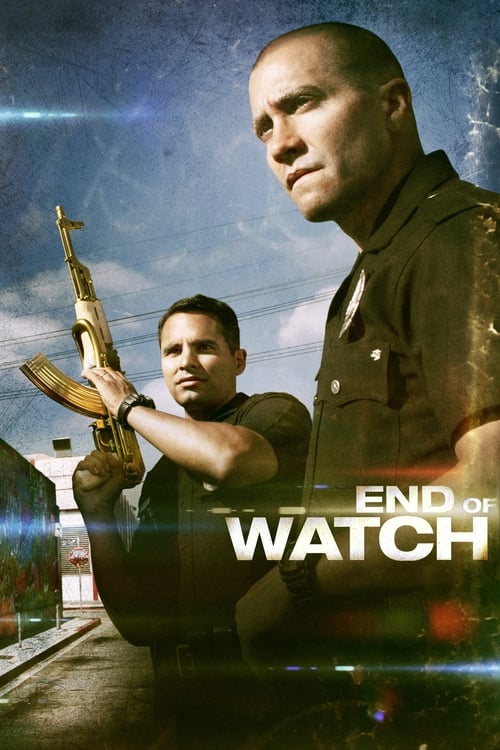
The pattern continues across later releases in the same filmography. Street Kings (2008) — directed by David Ayer relies on fast-paced tension and corruption drama that builds naturally toward its narrative climax. Commercial breaks tend to reset that tension entirely, turning a tight urban thriller into something resembling episodic television. End of Watch (2012) — directed by David Ayer uses a found-footage perspective to follow police officers through South Central Los Angeles, creating an immediate sense of documentary-style realism. Inserting commercial breaks into a simulated documentary breaks the illusion with remarkable efficiency. Platforms manage to charge subscription fees while making the viewing experience resemble broadcast television from decades past.
- End of Watch
- End of Watch (2012) — directed by David Ayer builds documentary realism that commercials dismantle.
Further down the line, larger studio productions face the same commercial treatment. Fury (2014) — directed by David Ayer depicts tank crews in the final days of World War II, a narrative driven by relentless claustrophobia and mud. Interrupting that claustrophobia with a cheerful automotive advertisement accomplishes the exact opposite of what the director intended. Suicide Squad (2016) — directed by David Ayer and Bright (2017) — directed by David Ayer both encountered similar shifts in how audiences consume them, moving from event viewing to background noise punctuated by sales pitches. Even more recent works like The Beekeeper (2024) — directed by David Ayer and A Working Man (2025) — directed by David Ayer arrive on platforms where the ad tier has quietly become the default way most people watch them.
The Economics of Attention
The overarching pattern across the industry suggests that introductory discounts are merely temporary scaffolding. Once users settle into a tier, prices adjust upward and ad loads quietly increase. Heart of the Beast (2026) — directed by David Ayer represents the latest continuation of this directing run, arriving in an environment where ad-supported tiers are no longer the budget exception. They are simply the way television is delivered now. Viewers accept the friction because canceling services and managing rotations has become its own exhausting chore. Binge Boss tracks these pricing shifts so you can see where your money actually goes each month, rather than wondering why your entertainment budget keeps expanding without your formal consent.
Sources
- Netflix in the United States checked 23 October 2026
- Max in the United States checked 30 October 2026
- Disney+ in the United States checked 23 October 2026
- Prime Video in the United States checked 29 October 2026
- Apple TV+ in the United States checked 21 October 2026
- Hulu in the United States checked 23 October 2026
- Peacock in the United States checked 30 October 2026
- Paramount+ in the United States checked 23 October 2026
- Crunchyroll in the United States checked 23 October 2026
- Heart of the Beast (2026) checked 6 November 2026
- Black Doves (2024) — on Netflix checked 6 November 2026
- David Ayer — director, 6 notable credits checked 6 November 2026
- Harsh Times (2005) — directed by David Ayer checked 6 November 2026
- Street Kings (2008) — directed by David Ayer checked 6 November 2026
- End of Watch (2012) — directed by David Ayer checked 6 November 2026
- Fury (2014) — directed by David Ayer checked 6 November 2026
- Suicide Squad (2016) — directed by David Ayer checked 6 November 2026
- Bright (2017) — directed by David Ayer checked 6 November 2026
- The Beekeeper (2024) — directed by David Ayer checked 6 November 2026
- A Working Man (2025) — directed by David Ayer checked 6 November 2026
Before you subscribe
Title data comes from TMDB. Streaming prices and availability change often — check with the provider for current details.
Plan your subscriptions instead of guessing
Binge Boss tracks what you watch and works out which services you need this month.
Open Binge Boss