Read the Book First? For Most Adaptations, It's Optional
How Silo, Reacher, The Gentlemen and the new Spider-Man handle their source material, and whether you need the original before you press play.
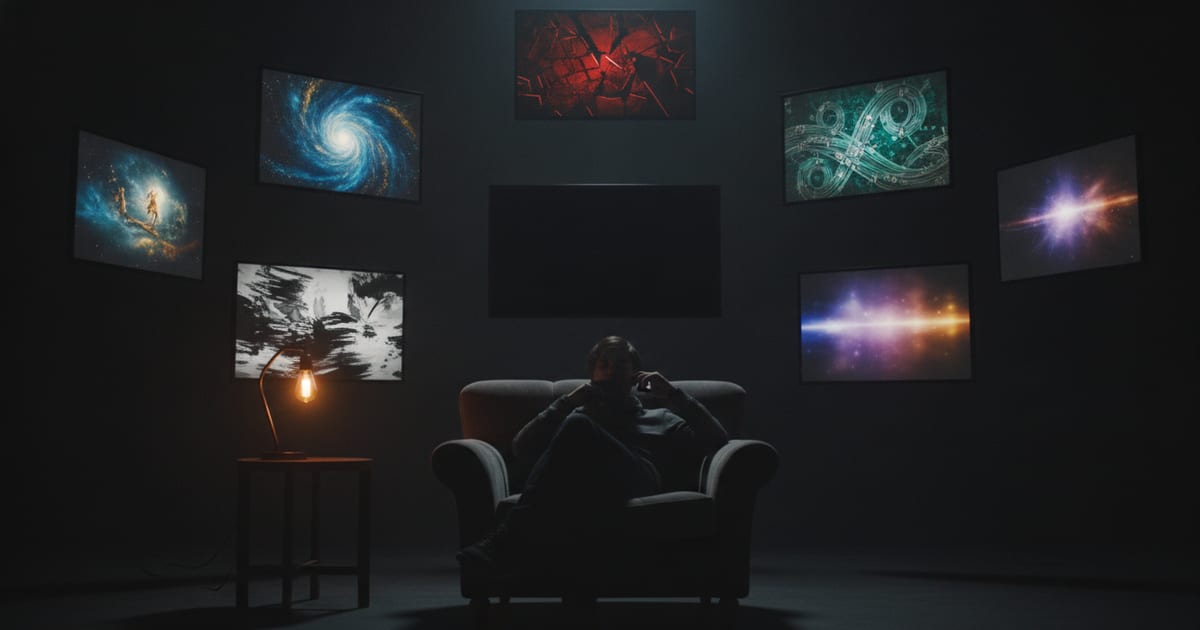
Streaming services keep adapting existing stories, turning books, films and comics into new formats. The standard question is whether you need the original first. In practice, most adaptations are built for a wide audience, whether or not that audience knows the source. The homework is optional.
Series from books: does the page come first?
Plenty of TV series come straight from novels. The creative teams usually carry over the core story and characters and adjust the rest for the screen. That can mean condensing storylines, expanding certain elements or reworking character arcs to fit a season. Faithful, give or take a subplot.
Silo (2023) brings a detailed, sprawling story to the screen. You can watch it without having read the books and follow the plot fine, because the series builds its world and introduces its characters inside the episodes. Reading first might give you deeper context, or show you plot points before the show does. Whether that is a bonus depends on how you feel about spoilers.
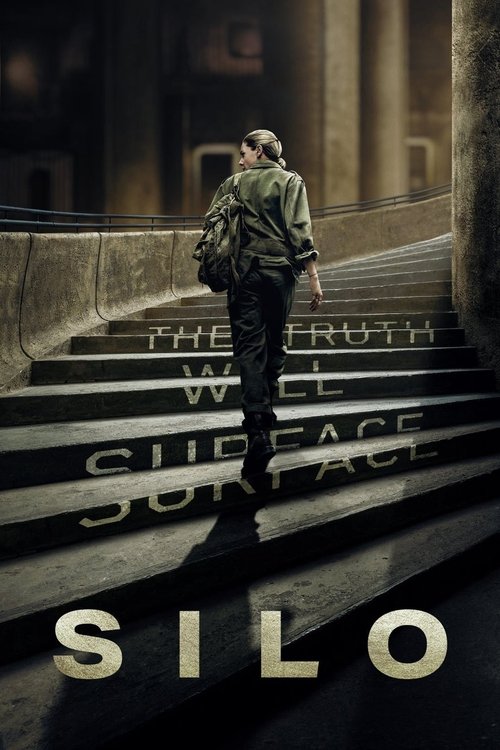
- Silo
- 2023. A sprawling book adaptation. The show explains its own world; the reading is extra credit.
Reacher (2022) takes its story from a series of novels, and each season typically adapts one book. That gives every season a self-contained mystery or adventure, with the protagonist and supporting cast set up so a newcomer can start right there. Readers may notice differences in how the characters are played or how the plot unfolds. Non-readers will not notice anything. That is rather the point.
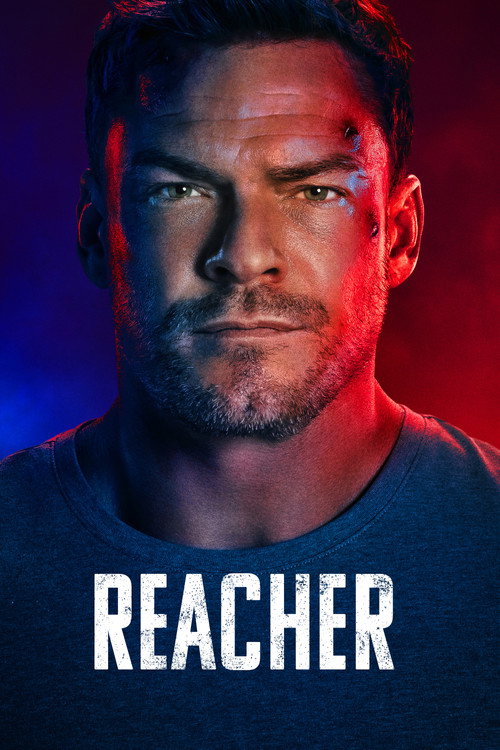
- Reacher
- 2022. One novel per season, each a self-contained case. Start with whichever one you like.
Film to series: the story gets more room
Sometimes a successful film is later turned into a series that widens the world or the cast. That changes the viewing-order question, because the series might be a direct continuation, a prequel or a new story set in the same universe. Each of those comes with a different amount of homework.
The Gentlemen (2024) is a TV series that grew out of a film of the same name. It shares themes and tone with the film but brings in new characters and its own storyline. Watching the film first gives you a feel for the style and humor the series is going for, but the series is built to stand on its own. Start with the 2024 show and you are unlikely to feel lost. You will just have one more thing to watch afterward.
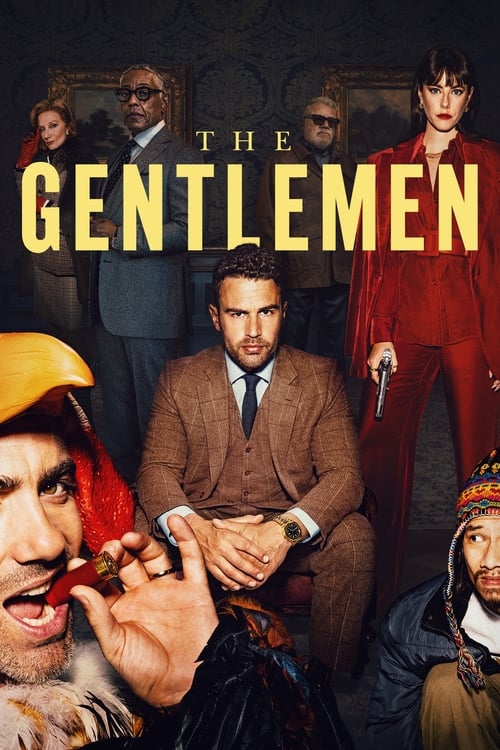
- The Gentlemen
- 2024. Spun off a film of the same name, with new characters. No prior viewing needed.
Comic book worlds: decades of material, one film
Comic book adaptations are a category of their own, with a long history of turning serialized stories into films and series. They draw on decades of published material, so the people making them have to decide which storylines to use and how to present them to an audience that mostly has not read them. The audience, for its part, is fine with that.
Spider-Man: Brand New Day (2026) is an upcoming film that shares its title with a significant comic book arc. A new film in a franchise usually aims wide, reinterpreting material rather than assuming you know it. Comic readers may catch specific references or takes on the characters, and the film will likely supply everyone else with the context the plot needs. Nobody is expected to have followed every previous version of the character. Given the decades involved, that is a mercy.
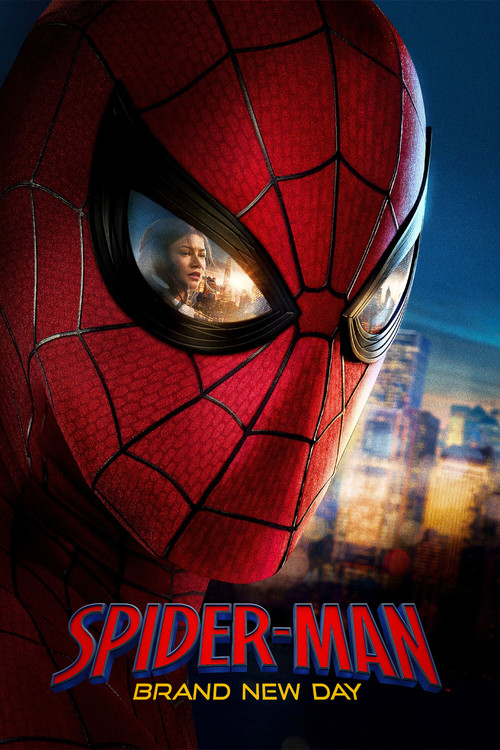
- Spider-Man: Brand New Day
- 2026. Named after a comic book arc, made to work for people who have not read it.
The 2026 adaptations, confirmed and suspected
More are on the way. The Runner (2026) is an upcoming film; without details on its source material, it goes in the general pile of new releases likely designed for a wide audience. The Odyssey (2026) has a title that points straight at classic literature, and would almost certainly be a fresh interpretation. The source material has been out for a while. Nobody will check whether you did the reading.
The Whisper Man (2026) sounds, going by its title, like a book adaptation. Like Silo and Reacher, the film version would likely be a self-contained story, so you can read the source before or after, as you prefer. That usually comes down to whether you like discovering a story or knowing where it is headed. Both are valid. Only one of them spoils the other.
So, which first?
It depends on how you watch. If you want the story as its makers built it for television or film, start with the adaptation. If you enjoy comparing interpretations or digging into the lore, the source material first can pay off. Either way, the order is yours to pick. No one is taking attendance.
Most adaptations are made to stand alone and give new viewers a complete story. Viewing order rarely affects whether you understand it. What it changes is how much background you bring and how many surprises are left for you. Binge Boss tracks upcoming releases and where they come from, so at least the release date will not be one of the surprises.
Sources
- The Runner (2026) checked 7 September 2026
- Silo (2023) checked 7 September 2026
- Spider-Man: Brand New Day (2026) checked 7 September 2026
- The Odyssey (2026) checked 7 September 2026
- The Gentlemen (2024) checked 7 September 2026
- The Whisper Man (2026) checked 7 September 2026
- Reacher (2022) checked 7 September 2026
Before you subscribe
Title data comes from TMDB. Streaming prices and availability change often — check with the provider for current details.
Plan your subscriptions instead of guessing
Binge Boss tracks what you watch and works out which services you need this month.
Open Binge Boss